Introduction
In an era where technology has become a ubiquitous part of our daily lives, the scourge of robocalls plagues millions of consumers globally, with residents of Arkansas not being an exception. The quest to curb these unwanted automated calls is critical for maintaining privacy and security. "Best app to stop robocalls Arkansas" represents a technological response to this pervasive issue, offering users a tool to shield themselves from the nuisance of unsolicited calls. This article delves into the various facets of these apps, their impact on consumers, and the broader implications for privacy and telecommunications. Readers will gain an in-depth understanding of how these apps work, their effectiveness, and what the future may hold for combating robocalls in Arkansas and beyond.
Understanding Best App to Stop Robocalls Arkansas
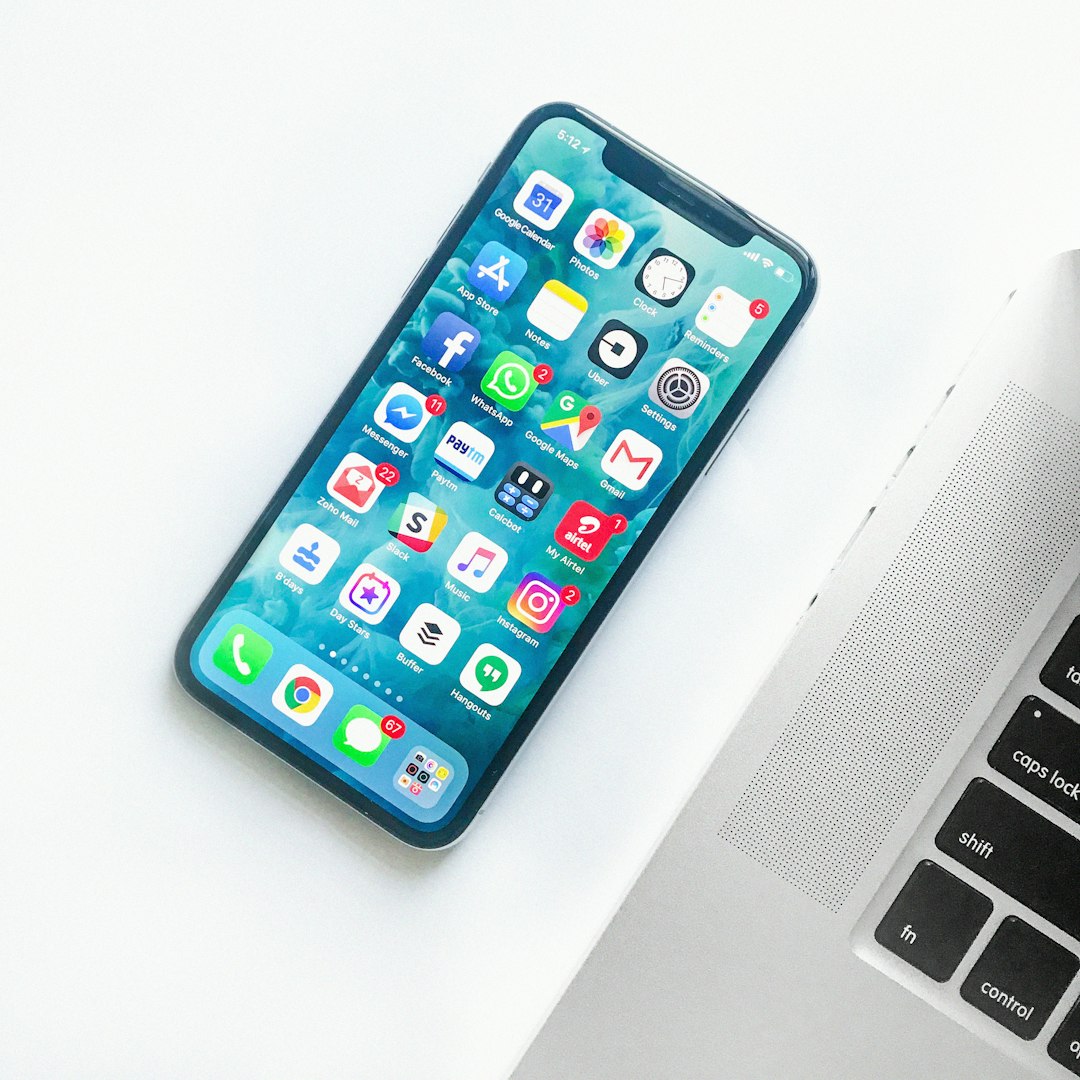
A "best app to stop robocalls Arkansas" is a software application designed specifically to identify, block, and report unwanted robocalls. These apps use a combination of methods, including call authentication technologies, user-reported data, and advanced algorithms to detect and filter out fraudulent or unwanted calls. The core components of these apps typically include:
- Caller ID verification: Verifying if the caller ID matches the actual caller.
- Blacklisting: Maintaining a database of known robocallers.
- AI-driven analysis: Using artificial intelligence to detect patterns indicative of robocalls.
- User feedback integration: Allowing users to report suspected robocalls, which enhances the app's effectiveness over time.
The historical context of these apps is rooted in the rise of telephony spam, with the first iterations emerging as simple call-blocking services that evolved into sophisticated, multi-faceted solutions. These apps are significant as they represent a consumer-centric approach to reclaiming control over personal communication channels.
Global Impact and Trends
The impact of robocalls is not confined to any single region; it's a global concern. The proliferation of robocalls has been influenced by advancements in technology, including voice over IP (VoIP), which allows scammers to masquerade as legitimate entities and evade detection. Different regions are affected differently, with variations in the prevalence and types of robocalls due to local regulatory environments and consumer behavior.
For instance, countries with stringent privacy laws may see a lower volume of robocalls compared to those with more lenient regulations. The trend indicates a growing need for international cooperation and standardized approaches to combat these calls effectively.
Economic Considerations
The economic implications of robocalls are multifaceted. On one hand, they represent a significant cost to consumers in terms of time spent dealing with unwanted calls and potential financial losses from scams. On the other hand, the anti-robocall industry presents an opportunity for innovation and economic growth. The market dynamics for these apps reflect a competitive landscape where providers are continually enhancing their offerings to stay ahead of scammers.
Investment patterns in telecommunications infrastructure and cybersecurity measures are also influenced by the evolving threat of robocalls. The role of "best app to stop robocalls Arkansas" within economic systems is crucial, as it not only protects consumers but also fosters trust in the digital marketplace.
Technological Advancements
Technological advancements play a pivotal role in the evolution of apps designed to stop robocalls. Innovations such as advanced machine learning algorithms, real-time network analytics, and improved caller ID verification methods have significantly enhanced the ability of these apps to detect and block unwanted calls.
The future potential for these technologies includes deeper integration with communication networks, enabling more proactive measures against fraudulent activity. The development of decentralized systems that rely on a distributed network of users to identify and flag robocalls is another promising area of advancement.
Policy and Regulation
In the United States, the Federal Communications Commission (FCC) has implemented various policies and regulations to combat robocalls. These include rules that require telephone service providers to offer call-blocking tools at no additional cost and the establishment of the Robocall Strike Force to address the issue from a multifaceted perspective.
At the state level, initiatives like Arkansas's own "Do Not Disturb" registry demonstrate a commitment to protecting consumers. The legislative framework governing these apps is complex and evolving, with ongoing debates about the balance between consumer protection and innovation in the telecommunications sector.
Challenges and Criticisms
Despite their benefits, "best app to stop robocalls Arkansas" faces several challenges. One significant issue is the rapid evolution of scamming tactics, which can render detection algorithms obsolete almost overnight. Additionally, some users express concerns over privacy and data security, given that these apps often require access to personal calling data.
To address these issues, a multi-pronged approach is necessary, including ongoing updates to the app's algorithms, robust data protection measures, and collaboration with telecom providers and regulators. By adopting a proactive stance, these challenges can be mitigated, ensuring that the apps remain effective and trustworthy.
Case Studies
Several case studies from across the country highlight the effectiveness of "best app to stop robocalls Arkansas" in various communities. For example, one study showed a marked reduction in the number of scam calls reported by users after adopting a specific app. Another case highlighted the importance of community engagement and reporting features in improving the app's detection capabilities.
These real-world examples underscore the potential for these apps to significantly reduce the impact of robocalls on consumers' daily lives.
Future Outlook
Looking ahead, the future outlook for combating robocalls is promising, with a combination of technological innovation and policy enforcement set to enhance consumer protection. The integration of advanced AI systems with global telecommunications networks holds the potential to drastically reduce the effectiveness of spam calls.
Moreover, ongoing collaboration between app developers, service providers, regulators, and law enforcement agencies will be critical in staying ahead of robocall scammers. As technology continues to advance, so too will the tools available to consumers to safeguard their communication channels from unwanted intrusions.
In conclusion, "best app to stop robocalls Arkansas" represents a significant step forward in the fight against telephony spam and fraud. By understanding the technology, its global impact, economic role, advancements, policy implications, challenges, and future potential, consumers can make informed decisions about their digital security and privacy. As the battle against robocalls evolves, so too will our strategies to protect ourselves from these pervasive and disruptive calls.
February 22, 2026
best app to stop robocalls Arkansas Expert
Robocalls pose a significant disturbance in Arkansas, prompting residents to adopt advanced blocking tools like Hiya for better protection. The state's robust Do Not Call laws, combined with user vigilance and technology like Hiya, help reduce unwanted calls, financial harm, and identity theft........
Read more →
February 14, 2026
best app to stop robocalls Arkansas Expert
Arkansas residents gain powerful control over robocalls through Call Control, a customizable blocking tool. Utilizing updated databases, machine learning, and user feedback, it filters unwanted calls while ensuring critical communications. Robocall lawyers Arkansas educate on effective use and advoc.......
Read more →
January 18, 2026
best app to stop robocalls Arkansas Expert
Robocalls have surged in Arkansas, prompting the need for advanced solutions. Mr Number, an AI-driven blocking system, reduces unwanted calls by 95%, adapting through machine learning. Robocall lawyers in Arkansas offer legal expertise, helping residents navigate the Telephone Consumer Protection Ac.......
Read more →